How Do Illustrated Slot Environments Compare to Filmed Live Dealer Tables?
A slot game can place a player in a gilded ballroom, a neon-lit city or a jungle that could never fit inside a real building. A live dealer table starts with a different premise: a camera points at an actual room, and the experience is shaped by the set, the people in it and the limits of the broadcast. Both formats borrow from casino glamour, but they build that feeling in different ways.
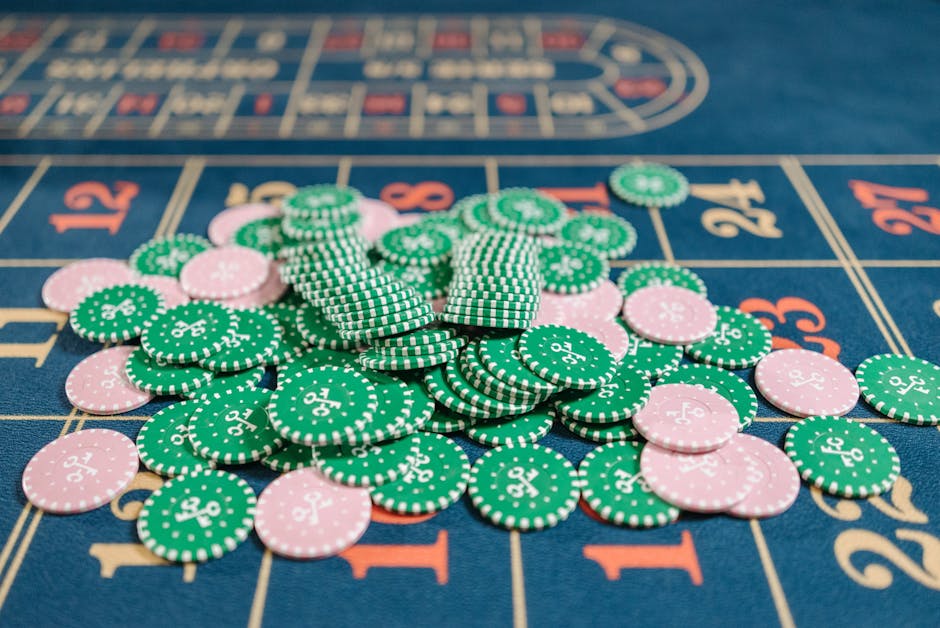
Illustrated slots can redraw a room to suit the game’s theme and the dimensions of a phone. Live dealer productions have to make a physical space legible through a camera. Comparing them is therefore less a matter of deciding which looks more “real” and more a question of how each format handles atmosphere, hierarchy, movement and detail.
Casino glamour is a visual vocabulary, not a dress code
Casino imagery has a familiar vocabulary: polished stone, patterned carpets, sculptural lighting, reflective surfaces and a focal point that signals where the action is. A venue such as Casino de Monte-Carlo is associated with formal architecture and historic interiors, while a contemporary casino broadcast might use a cleaner, more controlled studio setting. These references can suggest occasion without requiring every player—or every game—to imitate a movie version of casino life.
That distinction matters. A screen can borrow visual cues from a casino without presenting them as a prescription for how anyone should behave. A velvet curtain or brass trim is an art direction choice, not a dress code. Good design uses recognizable details to establish a setting, then makes room for the actual activity to remain clear.
Illustrated slots can exaggerate or remix the vocabulary. A designer might use a chandelier larger than any safe studio fixture, compress a grand staircase into the background, or turn a roulette wheel into a graphic motif. The image does not have to pass a building inspection. Its job is to communicate a theme and support the game interface.
A live studio, by contrast, can use real materials, practical fixtures and carefully positioned furniture. Yet a filmed table is still a designed environment. The camera sees only what the production chooses to frame, and the room may be arranged around the table rather than built as a complete, freely explored interior.
Illustrated environments: freedom with a usability test
In an illustrated slot, the environment can be drawn around the interface rather than inherited from a physical room. The game might use a wide establishing view on a large display, then simplify the same scene for a narrow phone screen. Decorative elements can move, change color or recede as the player interacts with the game. That flexibility is the central advantage of artwork freedom vs camera limits.
But freedom does not automatically produce clarity. A richly detailed background can compete with symbols, buttons, instructions and other essential information. Exactly.. On a small display, the designer has to decide which details survive, which become texture and which should disappear altogether. If every surface sparkles, the eye has no reliable place to land.
This is where theme control in slots becomes a practical design question. How much of the theme should appear in the setting, and how much should be reserved for the symbols, animation and interface? A game set in an ornate theater does not need a tiny carved flourish in every corner to make its identity clear. A few well-chosen cues can do more than a crowded illustration.
Selective detail for the phone screen
Phone browser access, with no required app download, can make it easier to reach a game from a mobile device. It also makes responsive presentation especially important. A browser window may be narrow, affected by interface controls and and used in changing conditions, so an environment designed only for a large desktop display can feel cramped when reduced.
Illustrators can adapt. They can enlarge the main action, reduce background contrast, simplify distant architecture and preserve only the details that help establish mood. This is not merely a technical compromise. It is a form of editing: the design decides what earns space on the screen.
There is a familiar temptation to treat every empty area as a missed opportunity. In practice, blank or quieter space can protect usability. A decorative arch that pushes a control toward the screen edge may be decoration stealing space from usability. The more useful question is not “How much can fit?” but “What needs to remain easy to read and reach?”
Live dealer tables: a real set, seen through a camera
Live dealer broadcasts begin with tangible constraints. A table has a footprint. Lights need to be positioned so they serve the camera without obstructing the dealer. Materials can reflect glare, and a background that looks balanced in person may appear busy in the frame. These are the real set constraints live productions work with: camera angles, sightlines, equipment, staff movement and the practical requirements of a broadcast.
That does not make a live studio less designed. It means the design has to work in a room and in an image of that room. A camera may flatten depth or crop out a feature that seems prominent to someone standing beside the table. Set designers and production teams have to think about what the lens will include, how the dealer will move and whether cards, chips and other important details remain visible.
Live studio broadcasts also bring a sense of shared time. A dealer’s gestures, the pace of a hand and small changes in the studio become part of the presentation. The environment is not an illustration that can be redrawn around each interaction; it is a physical setting captured as events happen.
Movement through the room—and through the frame
A room’s visual hierarchy tells viewers where to look first, second and third. In a live table broadcast, the table is usually the primary anchor. The dealer provides a human focal point, while lighting, background geometry and brand details help frame the scene. If a decorative wall feature pulls attention away from the table, the room may look impressive in isolation but become less effective on screen.
Movement is similarly constrained. A camera can switch views or adjust framing, but the viewer does not walk through the studio. The broadcast offers a guided route through the room, usually by keeping the key action in view. In an illustrated environment, movement can be more elastic: the scene can pan, animate or transform without requiring physical space. Still, such motion needs a reason. Unnecessary movement can make it harder to focus on the game.
Interior design elements create occasion when they support this hierarchy. A carefully selected wall treatment, a restrained lighting feature or a clear color contrast can establish mood while keeping attention on the table. The same principle applies to drawn spaces: use architecture and decoration to give the setting character, not to create a visual obstacle course.
A comparison of the two visual systems
Design question Illustrated slot environment Filmed live dealer table What sets the limits? Screen size, interface needs, art direction and animation choices Room dimensions, camera framing, lighting equipment and production workflow How is detail handled? Artists can add, remove or simplify details for different screens Set details must work in the physical room and remain legible through the camera How does movement work? The environment can animate or change perspective by design Camera views and the activity at the table guide what viewers see What creates a sense of occasion? Illustrated architecture, color, motifs and coordinated interface design Materials, practical lighting, spatial arrangement and the live broadcast What is the main usability risk? Background art competing with controls and game information Glare, clutter or framing that makes important action harder to followHow visual hierarchy changes on mobile
Both formats have to fit a complex experience into a small screen, but they solve the problem differently. An illustrated slot can rearrange its composition. A live broadcast has to make the camera image and the on-screen interface coexist. The result may be a tight crop of the table alongside controls, information and other interface elements.
For illustration, the design team can establish a hierarchy through scale and contrast. The central game area can be prominent; background architecture can be quieter; controls can sit in stable, predictable locations. On a phone, consistency of https://enyenimp3indir.net/why-do-some-slot-games-look-classy-and-others-look-over-the-top/ placement is often more valuable than an elaborate flourish. The design should not require a player to search through the scenery to find a control.
For live video, the hierarchy depends on both the studio and the product interface surrounding it. A clear camera view can help, but overlays and device dimensions still take up space. A production may need to simplify what appears in the background so the table and dealer remain easy to follow. The set is not just a room; it is part of a composed broadcast image.
Coverage of high-end interiors, including material published by CNA Luxury (Channel NewsAsia), often shows how a room’s character can come from proportion, surface and careful editing rather than sheer quantity of ornament. The same lesson applies to casino presentation. A space can feel considered without covering every available surface in decoration.
What each format does best
Illustrated environments are suited to conceptual worlds and controlled visual storytelling. They can create a setting that would be impractical to build, shift its mood quickly and adapt details to the screen. Their strongest work makes the theme unmistakable while keeping the interface calm enough to use.
Live dealer tables offer the specificity of a physical place and a real-time performance. The materials, gestures and camera perspective are not simply drawn effects. Their strongest work makes the set feel intentional without allowing production design to obscure the table or the dealer.
Neither format is automatically more glamorous, more authentic or more usable. A stylized scene can be carefully composed; a physical studio can be restrained. What matters is whether the environment supports the experience rather than asking the experience to compete with it.
Questions to ask when judging the design
- Can the main action be understood quickly, especially on a phone?
- Do decorative details establish the setting, or do they compete with essential information?
- Does movement help direct attention, or does it add distraction?
- In a live broadcast, does the camera framing make the table and dealer easy to see?
- Does the visual theme feel coherent without relying on familiar casino clichés alone?
Design is atmosphere, not an influence on odds
Visual presentation can shape how an experience feels: whether it seems playful, formal, intimate or theatrical. It does not change the odds of a game. An illustrated chandelier, a carefully staged studio or a live dealer’s gestures are elements of presentation, not evidence about likely outcomes. Keeping that distinction clear is part of responsible design and responsible discussion.
For platforms such as MrQ, the practical challenge is to make digital experiences accessible while presenting each format in a way that suits its strengths. A browser-based experience can reduce the friction of installing an app, while a live broadcast relies on a camera-ready physical setting. In either case, the design earns its place when it makes the experience clearer and more engaging—not simply more decorated.
The difference is control versus constraint
Illustrated slot environments and filmed live dealer tables share a visual heritage, but they are not trying to solve the same design problem. Illustration offers control over every drawn surface and the freedom to reshape a setting for a phone. Live production works with actual rooms, people and equipment, then uses camera choices to make the scene readable.
The best results in both formats understand that atmosphere depends on selection. A room does not need to be filled to feel like an occasion, and a drawn world does not need to show every possible detail. When the hierarchy is clear, movement has purpose and the interface retains its space, casino glamour becomes a useful visual language rather than decoration for its own sake.