Why Does a Casino Add New Providers Instead of Making Everything In-House?
When an online casino launches a new slot, it is easy to assume the casino made it. Usually, it did not. The casino operator runs the site and presents games to players; a game provider designs and supplies the games. That division helps explain why an operator may add partners such as Pragmatic Play or Games Global rather than trying to build every title itself.
There are exceptions: some companies operate in more than one part of the industry, and business arrangements vary. But for most players, the useful distinction is straightforward. The operator curates the experience, while providers create much of the playable content. A casino’s catalogue is therefore often a collection of work from multiple studios, integrated into one site.
That model can offer broader choice and faster access to new releases. It also brings practical trade-offs, from keeping the interface consistent to coordinating technical requirements. The question is not simply whether a casino could make games in-house. It is whether doing so would be the best use of its time, people, and resources.
Operator and provider: two different jobs
What the operator does
An operator is responsible for the casino service players use. Its work can include maintaining the website or app, presenting games, supporting customers, and managing the player account system. It also determines how games are organized and displayed within the site. The exact responsibilities depend on the operator, its suppliers, and the markets in which it operates.
For example, MrQ is an online casino brand. When someone browses its online casino catalogue, they are looking at an operator’s selection of games, not necessarily titles made by the operator. A catalogue can bring together content from a number of separate providers in one place.
What the provider does
A game provider, often called a studio or supplier, creates and supplies games. That can involve the underlying game rules, mathematics, software, artwork, animation, and audio. The provider may also deliver the technical materials needed to connect a title to casino platforms. The precise division of work varies by partnership and product.
Pragmatic Play and Games Global are examples of companies whose names players may encounter in connection with casino content. A provider’s name can be useful context, but it does not tell you everything about a particular game, its rules, or the way a given operator presents it. Those details should be checked in the game information and the operator’s own terms.
In short, the operator is not automatically the game maker, and the provider is not automatically the casino operator. Keeping those roles separate makes it easier to understand why a casino can add a new title without building the whole game internally.
Why not make every game in-house?
Building a game studio is a substantial commitment. It takes more than an idea and a set of illustrations. A team may need designers, mathematicians, software developers, artists, animators, audio specialists, testers, and people who can prepare a title for release across different systems. It also needs time to plan, build, test, revise, and maintain its products.
Those demands create in house team limits. A small internal team may be able to make a few distinctive games, but it cannot necessarily produce the volume, range, and release schedule that a large collection of external studios can provide. Hiring enough specialists may not make sense for an operator whose main business is running a casino service rather than producing games.

There is also a strategic question. An operator may prefer to invest in the site experience, customer support, account tools, or catalogue curation instead of duplicating the capabilities of established studios. That does not mean in-house development is a poor choice. It means the operator has to decide where its own strengths and resources are best used.
- Specialized skills: Game production calls for a mix of creative, mathematical, and technical expertise.
- Production capacity: A single team has finite time and can only manage so many projects at once.
- Ongoing work: Games need testing and technical upkeep, not just an initial launch.
- Business focus: An operator may choose to focus on the casino platform and player experience rather than becoming a full-scale studio.
Multi-provider catalogues bring variety
The most visible reason to work with multiple providers is catalogue variety. Different studios make different creative choices. One may favor compact, straightforward interfaces; another may build games around elaborate settings, detailed animations, or unusual bonus mechanics. A mix of providers can give a casino more kinds of games to present than one internal team could produce on its own.
That variety is not only about themes. It can include differences in reel layouts, round structure, visual style, feature design, and pace. Players do not all look for the same experience, so a broader catalogue gives an operator more options to organize and recommend. A larger selection does not guarantee that every game will suit every player, but it can make the collection less dependent on one studio’s preferences.
Multi-provider sourcing can also help an operator add partner releases as they become available through its arrangements. Rather than waiting for a single in-house team to complete every new title, the operator can work with several suppliers whose release plans and production schedules differ. Availability still depends on integration, agreements, and the relevant market; a provider’s release is not automatically available everywhere.
Approach Potential benefit Consideration One in-house studio Direct control over a focused creative direction Output and style depend heavily on one team’s capacity Several external providers More sources of content and a wider range of approaches Games may differ in presentation and need careful integration A mixed model Internal work can sit alongside partner content Requires coordination across teams and systemsHow can a varied catalogue still feel coherent?
Adding providers creates a design challenge. Each game may arrive with its own identity, but the casino still needs to feel like one usable service. That is where art direction and interface design matter. The operator can shape how games are grouped, how provider names appear, and how players move from the lobby into a title.
Visual cohesion does not mean making every game look alike. It means giving the wider site a readable structure while allowing individual games to keep their character. Clear labels, consistent spacing, sensible categories, and predictable navigation can help players understand where they are. These details may be less dramatic than a game’s artwork, but they often do more to make a catalogue easy to use.
It is useful to separate what the rules say from what the visuals suggest. Artwork can communicate a theme, and animation can make an event feel significant, but neither should be treated as a substitute for the game’s rules or paytable. Those explain the mechanics. Similarly, polished visuals are not proof that a game has been independently tested or certified. Players should look for the relevant information and disclosures rather than infer them from presentation.
The operator’s role in curation is therefore not just to collect titles. It is also to make the collection legible. An online casino catalogue with many games can still be frustrating if the categories, search tools, and game details are hard to read. Good presentation helps players compare and navigate; it does not change the underlying rules of a game.
Animation is a cross-team collaboration
Animation can make a slot feel lively, but it is rarely an isolated decorative layer. It has to work with the game’s software, interface, art assets, and timing. A visual effect may need to respond to a particular game event, fit within the available screen space, and remain clear on different devices. That makes animation a cross-team collaboration between people responsible for design, engineering, artwork, and testing.
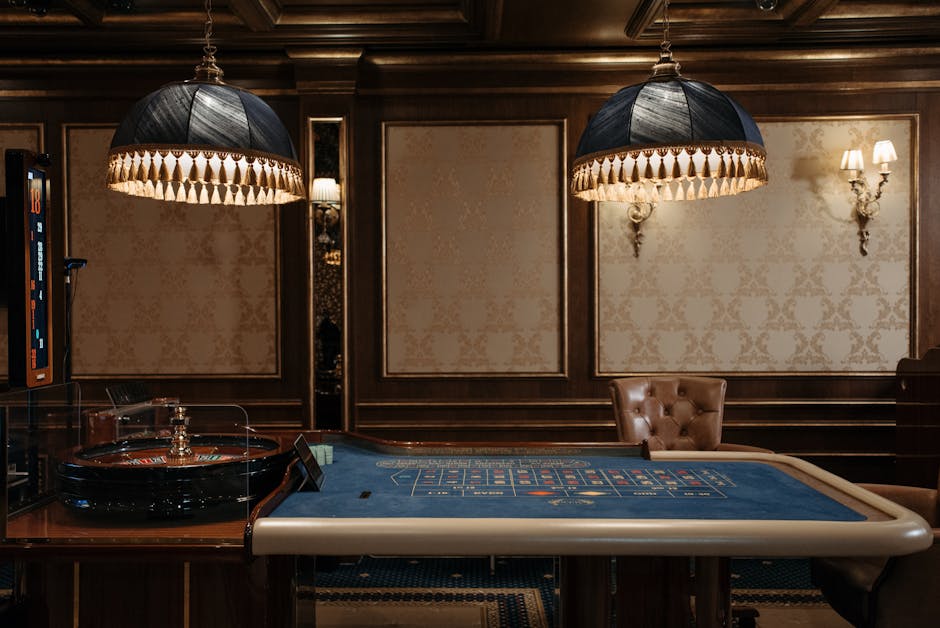
Provider teams usually define how animation functions within their games. The operator, meanwhile, integrates the title into its own service and may have requirements for how the game launches or fits within the site. The exact workflow depends on the technical setup and commercial agreement, but both sides need the result to function reliably for players.
Readability matters here as much as spectacle. Effects that are too busy can obscure symbols or instructions; small text can be difficult to read on a phone. A well-made animation supports the game’s presentation without making its rules harder to follow. And animation should not be read as a signal that a win is due: it is part of the presentation, not a prediction.
What does adding a provider involve?
For a casino, adding a provider is more involved than placing a logo on a page. The operator needs a workable connection between the supplied games and its platform. It also has to consider how the content will appear in the catalogue and how it fits the player journey, including the transition between the casino lobby and a game.
- Agree on the relationship: The operator and provider establish the commercial and practical terms for supplying content.
- Connect the systems: The provider’s games need to be integrated with the casino’s technical setup. How this works depends on the parties’ platforms.
- Check the presentation: The operator considers game listings, names, images, categories, and how the titles appear on different screen sizes.
- Review availability: A game’s availability can depend on the relevant market, technical readiness, and applicable requirements.
- Maintain the experience: The operator and provider may need to address updates or technical issues as their services evolve.
The player account system is View website another part of the wider service, but it should not be confused with game creation. It supports the account experience on the operator’s site; the game itself is still supplied by its provider. The way these systems interact can vary, so it is better not to assume that every casino uses the same setup.
Why the model can benefit players—and where it has limits
A multi-provider casino can offer more choice, different creative styles, and access to partner releases without relying on one studio to create everything. For operators, it can be a practical way to expand a catalogue while keeping attention on the service they run. For providers, working with operators gives their games a route into casino catalogues.
There are trade-offs. A large collection can be harder to browse, and games from different studios may have different menus, controls, and visual conventions. An operator needs to present the catalogue clearly and maintain a dependable experience across its site. More titles alone do not guarantee better curation or easier navigation.
That is why the best way to judge a casino’s range is not simply to count its providers. Look at whether the catalogue is easy to navigate, whether game information is accessible, and whether the casino explains the operator-provider relationship plainly. A distinctive art style can make a title memorable, but readable controls and clear rules are more useful signals of a thoughtful presentation.
The practical answer
A casino adds providers because making every game in-house would require a much larger and more specialized production operation. Partnering with companies such as Pragmatic Play or Games Global can bring additional content and different creative approaches into an operator’s catalogue. The operator can then focus on running its service, maintaining its platform, and presenting those games to players.
That model works best when the responsibilities are clear: providers make and supply games, while operators curate and deliver the casino experience. A strong catalogue combines variety with readable presentation. And whatever the artwork or animation suggests, the game’s rules—not its visual polish—are what players should consult to understand how it works.